Short answer: SEO is not dead. Google is still the main way into AI answers, but AI tools now decide which businesses get named. For a small business in 2027, that means three things: answer questions clearly at the top of each page, show proof only you have, and get mentioned on other trusted sites.
The Chiang Mai SEO Conference (CMSEO) ran from 9 to 13 November 2026 at the Chiang Mai Marriott. Around 800 SEO professionals came to Thailand to share what is working right now. Most of the talks were aimed at agencies and large affiliate sites. Below, we’ve picked out the lessons that matter for hotels, resorts, clinics, shops and service businesses in Thailand and Switzerland.

1. Google still opens the door to AI answers
Surfer’s data showed that 95% of domains cited by AI tools also rank in Google’s top 10 for at least one keyword. If your site isn’t visible on Google, ChatGPT and Google’s AI answers are unlikely to mention you. Classic SEO is still the foundation.

2. The top of the page does most of the work
Peec AI found that 92% of the passages ChatGPT cited came from the top 10% of a page. A long intro about your company history wastes that space. Put the answer to the visitor’s question in the first two or three sentences, using the same words people search with.
3. Agree with the facts, then add your own experience
AI tools check whether a page agrees with other sources. Pages that contradicted the general consensus lost most or all of their citations. Charles Floate’s advice was simple: about 80% of your text should match what’s generally accepted, and the other 20% is where you stand out.
That 20% is your advantage as a local business. You know the prices, the seasons, the guests and the local rules better than any big website does.
4. Proof beats polish
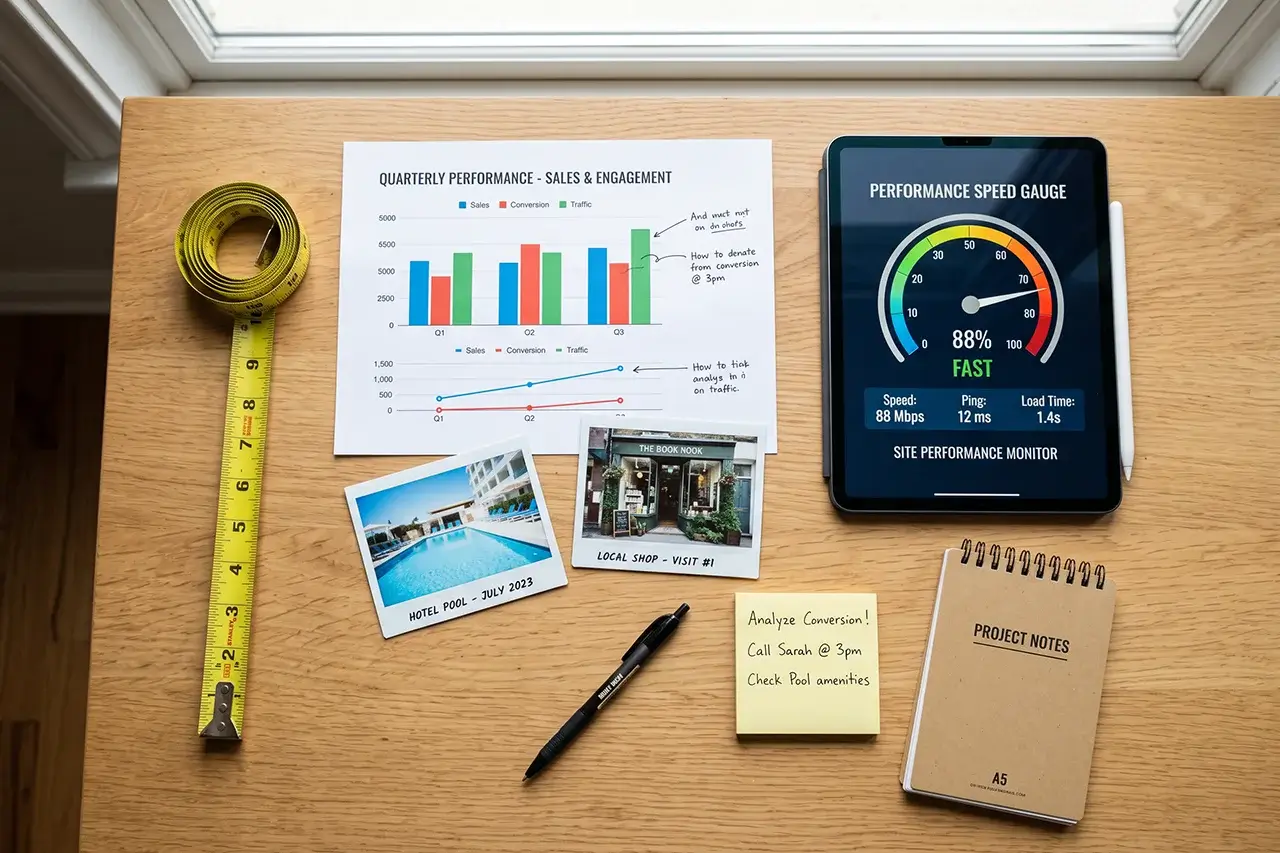
Georg Richard Aare (RankUp) compared pages in the top 3 with the ones below. The winners had 4 to 7 unique elements: their own tests, client results, real figures and screenshots. Better design or formatting alone didn’t make the difference.
The same applied to AI citations. Specific claims you can check, such as “rooms from 2,500 baht” or “50+ websites delivered”, were cited far more often than phrases like “the best service on the island”.
5. Other sites talking about you matters more than links
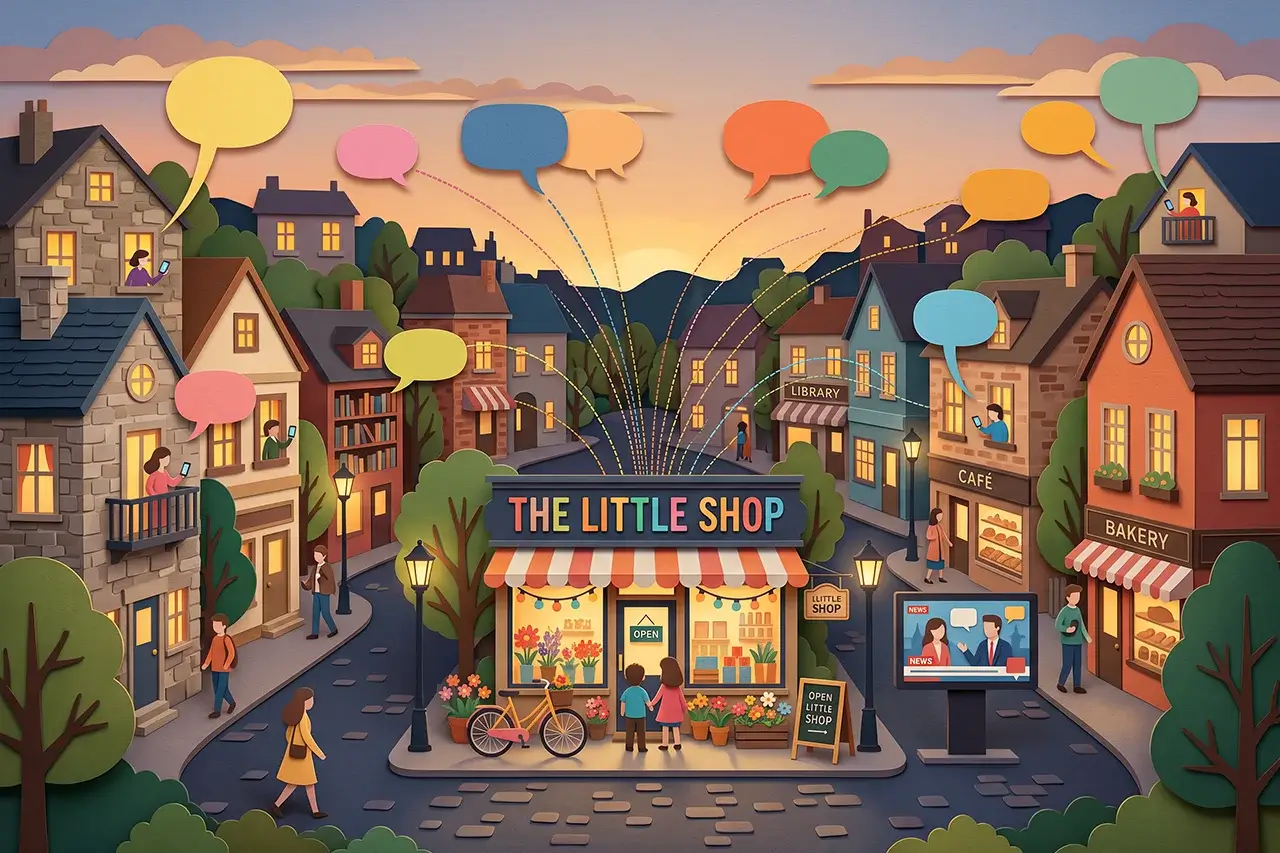
Ahrefs data showed that brand mentions, including mentions on YouTube, were more closely linked to AI citations than the number of backlinks. Third-party “best of” lists made up about a fifth of AI citations. When several lists agreed on a brand, AI tools named it in most answers.
For agencies and B2B services, Clutch was the directory AI tools cited most often. For hotels and local businesses, think TripAdvisor, Google reviews and local guides.
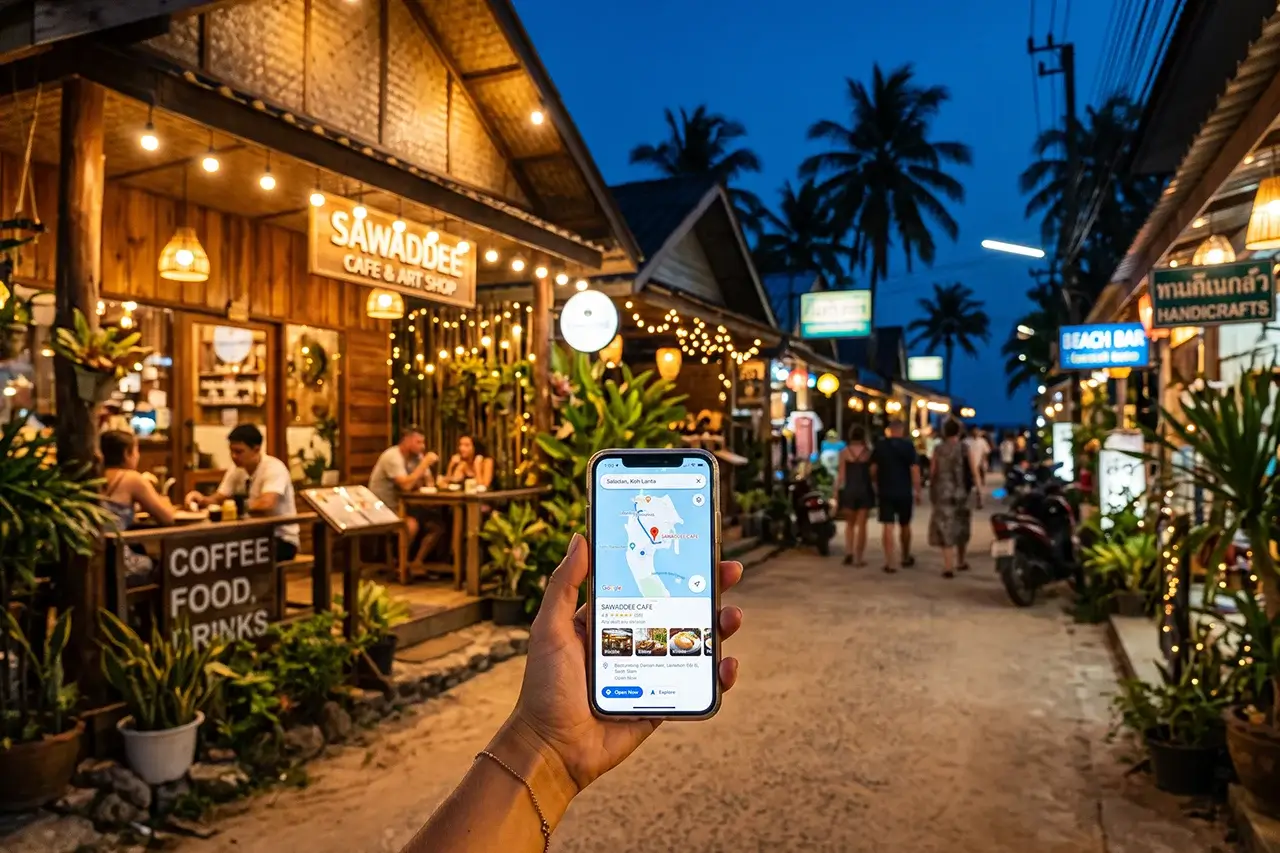
6. Your Google Business Profile is changing
Joy Hawkins (Sterling Sky) showed that the call button has disappeared from most listings in Google’s local 3-pack. Ads now show in the local pack for close to a third of local searches. Her tips for local businesses:
- Use exactly the same business name everywhere, including on your website
- Choose your main Google Business Profile category carefully
- Show prices and awards clearly, and work towards the ones you don’t have yet
- Put a short proof paragraph at the top of your page: experience, clients, reviews
7. AI-only tricks are not a shortcut
Files like llms.txt, made specifically for AI tools, account for under 1% of what AI bots actually fetch, according to Alex Moss. They don’t hurt, but they won’t replace good content. The same goes for buying links: over 40% of sites sold on link platforms had manipulated metrics, and pages that won after the August and September 2026 Google updates often had fewer links than the pages they replaced.
One last point from several speakers: test before you copy. Every new AI model behaves differently, and published case studies are often biased. The figures above are trends from speaker slides and tool vendors, not fixed rules.
8 steps for your website in 2027
- Check your top 5 pages. Does the first paragraph answer the question a visitor came with?
- Add one piece of proof to each. A price range, a result, a photo of real work, a client quote.
- Replace vague praise with facts. Numbers, dates, places, named products.
- Keep dates consistent. The date in your text, your page settings and your structured data should match.
- Use one business name everywhere. Website, Google Business Profile, Facebook, booking sites, directories.
- Review your Google Business Profile. Main category, prices, photos, and a link to the right page.
- Ask for mentions, not just links. Reviews, local guides, “best of” lists, partner websites.
- Test what AI tools say about you. Ask ChatGPT and Google a few questions your customers would ask. Repeat it every month, as answers change between runs.
What we’re doing on our own website
We rebuilt samui-infotech.com in November 2026, so we’re applying the same ideas here:
- Each service page has its own FAQ section, with short, direct answers
- Structured data is set up in SEOPress for the whole site
- Our llms.txt lists our services and updates automatically with new articles. Useful, but not where we spend our time
- We cut our blog from 34 categories to 8 clear topics
- Next, we’re publishing 12 client case studies with real numbers and screenshots
Want to know how your website looks to Google and AI tools?
We check your key pages, your Google Business Profile and what AI tools currently say about your business. Then we give you a short list of what to fix first. Learn more about Search and Generative Authority or get in touch.